
Eugene Resident Lookup Records
One name can surface in several Eugene systems for unrelated reasons. The free Lane County Assessment & Taxation form ties a site address, account number, or map and tax lot to a parcel. It does not prove anyone lived there. A recorded deed places a person in a transaction. Court indexes and business filings help separate residents who share a name. Vital certificates carry eligibility rules, while voter information follows its own statutory request path. Treat every item as a bounded fact. Then weigh date, role, and place together.
| Record | What It Confirms | Where | Access |
|---|---|---|---|
| Property account | Parcel, site address, account and tax-record clues | Lane A&T Property Information Search | Free by address, account, or map and tax lot |
| Recorded instrument | A party's role, document type, date and legal description | RLID Deeds & Records or County research library | Subscription online; counter and historic channels |
| Court case | Public party, case, event and disposition details | OJD search, OJCIN, or the Circuit Court | Free basic search; paid and terminal options |
| Voter file | Only the public fields permitted by Oregon law | County Elections or Secretary of State request | Request-based and confidentiality limited |
| Vital record | A qualifying historical or eligible event record | Lane Vital Records, OHA, or archives | Restricted for statutory periods |
| Business registry | Entity, agent, mailing address and related names | Oregon Secretary of State | Free active-registry search |
Let the question pick the record. Start an address question with the address-to-parcel route. Start a dated legal matter with the court and its case number. For an older family question, try an archive pointer or a court filing first. Request the certificate only after those routes. That keeps a resident lookup anchored to facts a custodian can confirm.
Eugene Resident Lookup Needs Two Records
A shared first and last name proves little in Eugene. Keep the middle initial, former surname, suffix, address spelling, map and tax lot. Add the case number, document number, and date. Then test the match against a second independent source. A deed can back up a tax-account result when the legal description and timing line up. A probate filing can support a historical death lead when the parties and dates fit. Be wary of tax mailing addresses. They may point to a trust, an agent, or an owner living elsewhere. They never count as a household address.
Insider tip. A deed image may not be online. Lane Deeds & Records runs a public research library at 125 E. 8th Ave. The counter and library open on weekdays from 9 a.m. to noon and 1 to 4 p.m. Call 541-682-3654 about mail or email copies and quotes. The State Archives inventory lists older books, indexes, and microfilm. That beats assuming a missing PDF means a missing record.
Note: A current parcel owner, a past recorded grantee, and an occupant are separate facts. They may call for different records.
Eugene Court Records in a Resident Lookup
Oregon's judicial branch keeps two separate doors for Eugene court records. The state route is run by the OJD Records and Calendar Search. It covers circuit courts, the Tax Court, the Court of Appeals, and the Supreme Court. Basic public case data comes without charge. A distinct municipal route handles only City of Eugene court matters. Names get sorted by court, case number, public party listing, event, date, and disposition. Some files stay closed everywhere, though. Confidential, sealed, juvenile, adoption, mental-health, and protected matters never become public through either route.
The OJD public search opens the free statewide records and calendar entry points.
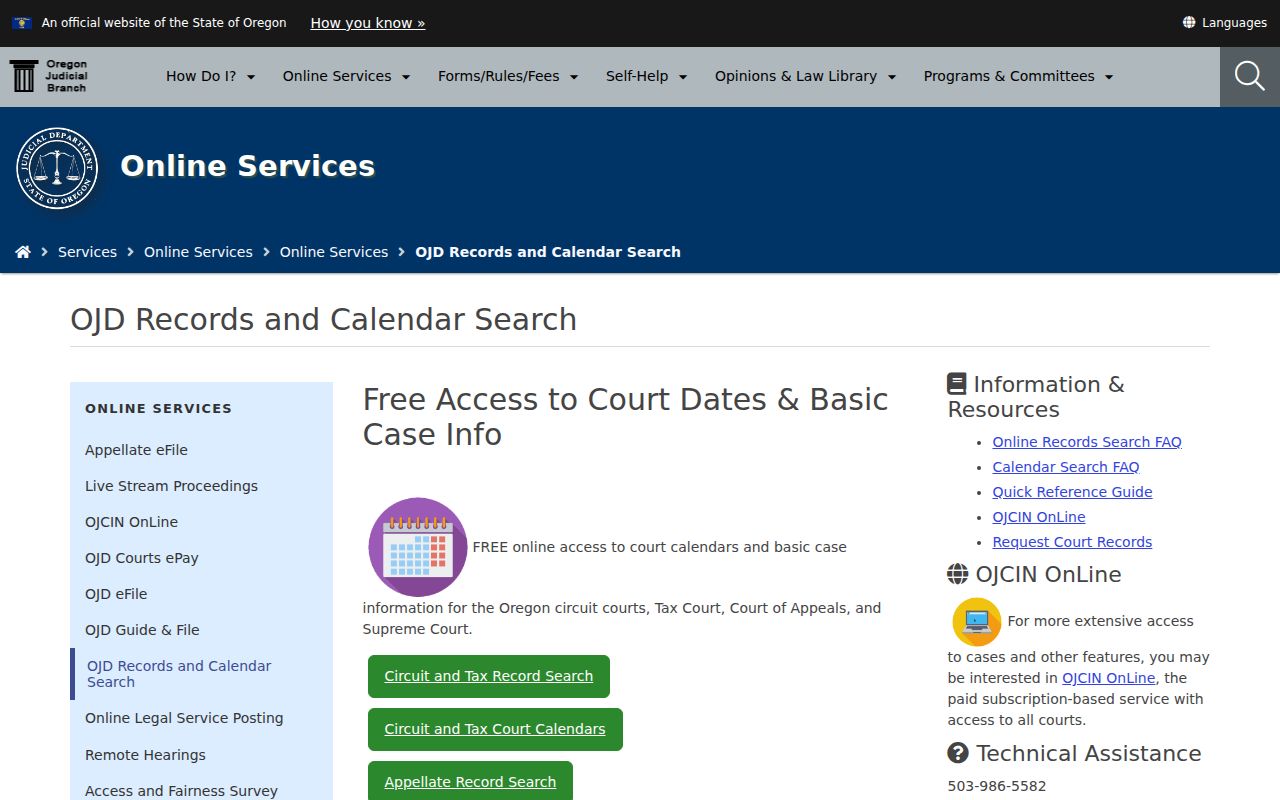
A Eugene residents directory result gives you the court and case number you need. Present both when requesting a public copy from the court holding the file.
| OJD field | Use in a name check |
|---|---|
| Court or court type | Limit the search to the appropriate public jurisdiction when the live form allows it. |
| Case number | Use the exact docket number when it is known. |
| Party first and last name | Try spelling variants, then compare dates and case details. |
| Calendar or appellate route | Use the separate official mode when that is the record sought. |
Eugene Municipal Court's official search link opens its separate basic docket and case-information service.
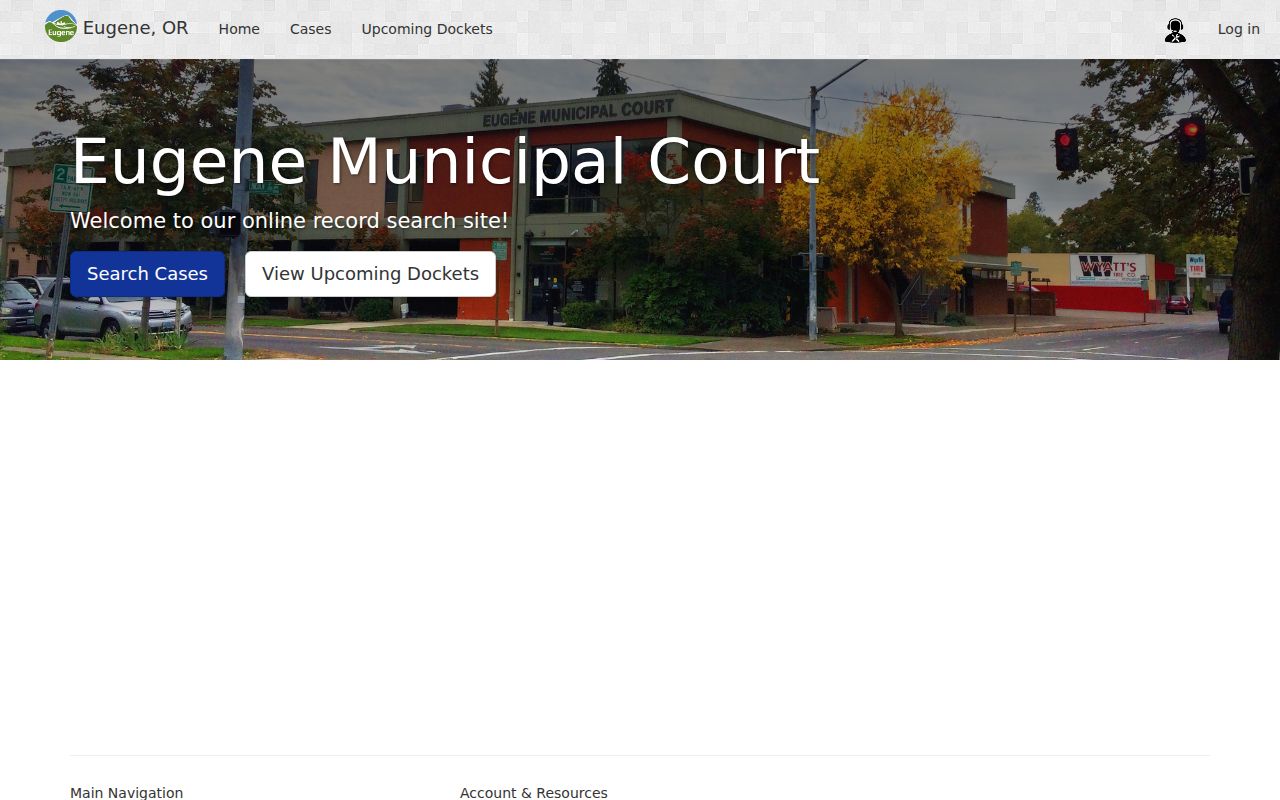
Eligible municipal documents come through several channels. Request online, by PDF, at the counter, or by mail. Ordinary copy requests are usually done within 72 business hours. Research or complexity can slow them down. For broader Registers of Actions and judgment dockets, OJCIN Online is the registered paid route. The free public terminal at each Oregon circuit court offers a practical no-subscription fallback. It works for many nonprotected records. Before asking staff for a copy, write down the court, the case number, and the party spelling. Include the event date and the exact document you want. Court staff can explain access rules and fees. They cannot give legal advice or decide who is who.
Oregon Voter Rules for Eugene Resident Lookup
Oregon's My Vote portal is built for one person: the voter. It asks for a registered name and date of birth. Then it shows that voter's own registration details and ballot status. That design matters for anyone hoping to use it as a Eugene resident lookup tool. It simply is not one. There is no anonymous name search or address browser inside it. No street roster hides there either. Lane County Elections, at 275 W. 10th Ave., takes local registration questions. It also handles requests for voter data. State law sets the boundaries of any lawful voter list.
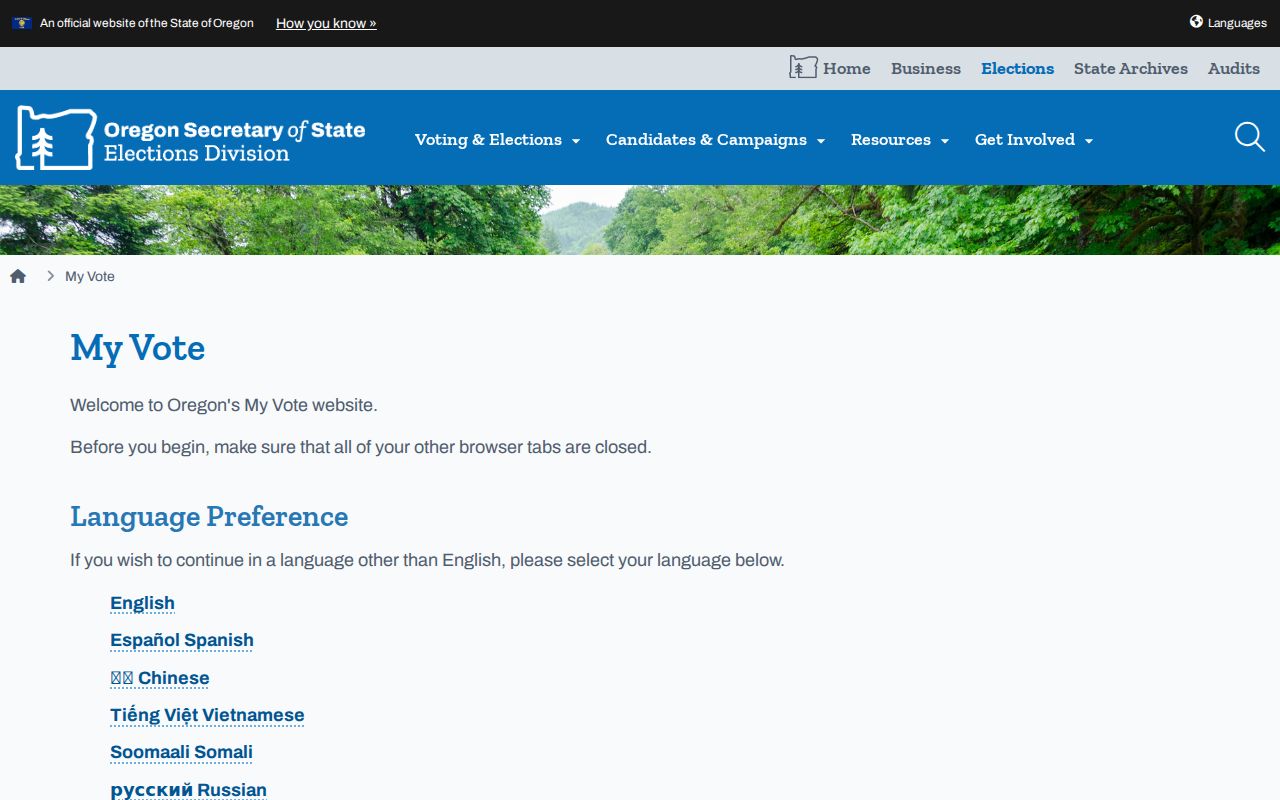
So the portal serves the voter's own errand well, but it cannot prove that someone else lives at a given address. For that kind of question, Oregon offers a formal voter-list request process governed by ORS 247.945 through 247.955. The state voter-list request page lays out the route for both statewide and less-than-statewide lists. Patience helps here. Electronic delivery of a full list can take up to 10 business days. Some fields never leave the state's hands: birth month and day, Social Security and driver-license numbers, signatures, protected records, and ACP participant details are all off limits. Ballot choice stays private, too.
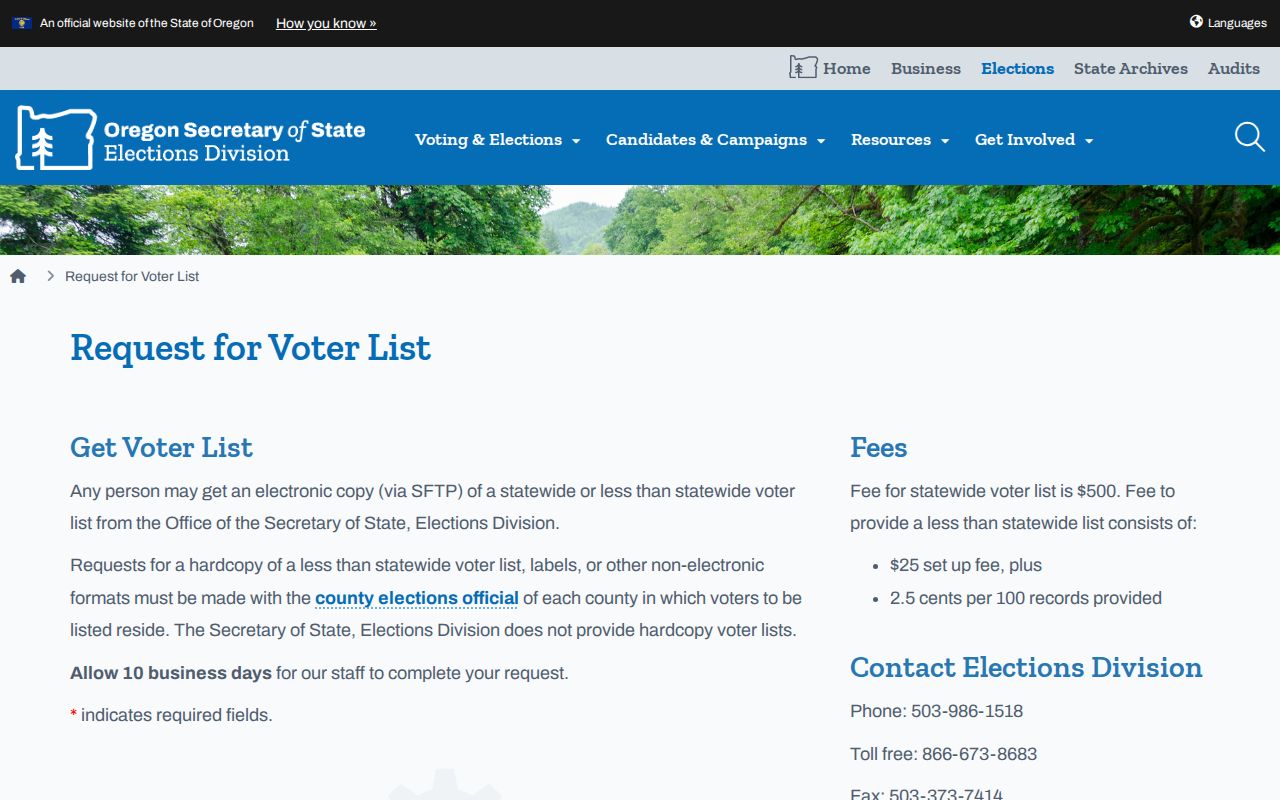
Note: Use a delivered voter file only within its statutory limits, and never try to reconstruct an address that a confidentiality program protects.
Verify a Eugene Resident Carefully
Work from a short, documented trail when names collide. The Lane County property form cannot search by owner name, so anchor it with a site address, account number, or map and tax lot. That single step prevents most same-name errors. The RLID Standard Search tier does offer owner-name searching, though only by subscription. The free public form simply lacks it. A court connection changes the method: pair the name with the court and date, and never let one public match settle an identity question on its own.
- Preserve the known name, address or time period exactly as it appears in the source.
- Use the correct Eugene or Lane County record family to obtain a parcel, case, document, or filing identifier.
- Compare that identifier with a second record type, paying attention to party role, date, legal description, and name variant.
- Request a public or certified copy from the original custodian only when the record and eligibility rules allow it.
- Docket
- A court’s running list of events and filings in one case.
- Index versus image
- An index points to a record. An image is the document view, which may have different access rules.
- Certified copy
- A copy issued by the custodian with its certification, available only when that office permits it.
Note: An online non-match can mean a protected record, a spelling difference, an older paper file, or simply the wrong custodian.
Eugene Vital Record Routes
Vital events sit outside public name-search tools. For the first five months and 28 days after a birth or death in Lane County, the Lane County Vital Records office handles the order. After that window, birth and death certificates move to the Oregon Health Authority Center for Health Statistics. That state office also issues Oregon marriage and divorce certificates. Access stays tight. Births are restricted for 100 years. Death, marriage, domestic-partnership, and dissolution records carry 50-year restrictions under ORS 432.380. Eligibility, identification, and relationship rules apply on top of those limits.
A local order for a recent Lane event needs the right form plus photo identification. Death orders add relationship evidence. The county accepts mail, drop-box, email, and in-person channels. But the clock on that early window governs everything. Historical research works differently. Start with the State Archives county inventory and the Oregon Historical Records Index as pointers. Then confirm each record with its named custodian. A historical index lead never loosens the restrictions on a recent certificate.
Adoption questions follow a separate path. The Oregon Adoption Search and Registry is the official consent-based route. It offers mutual-consent registration, non-identifying information, and assisted search for eligible people. It honors the statutory choices each person has made. An open-ended hunt for identifying contact details does not.
Eugene Business Clues in a Resident Lookup
When a Eugene resident lookup surfaces a business angle, the Oregon Business Name Search helps separate an entity from an individual. Queries run by business name or registry number. Active results can show a registry number, entity type, registry date, registered-agent name and address, mailing address, and associated names. Read those fields carefully. They describe the filing itself, not a person's home or a current operating location. For license status, go to the specific licensing board instead. The Oregon's Business Name Search page provides the public registry entry point.
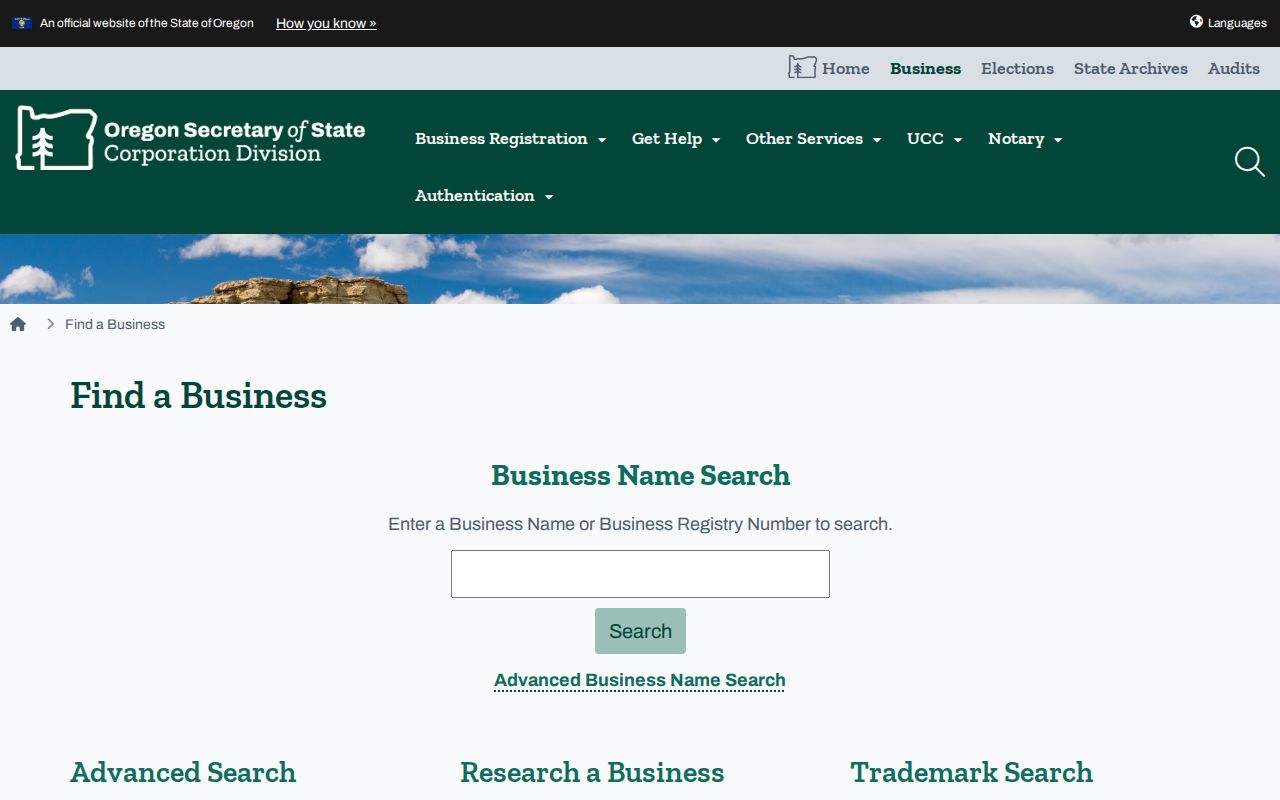
Registry filings corroborate well. A matching filing date can support other lawful records in a resident lookup. So can an associated name. The registry still cannot establish where a person lives now.
Myth. A City Recorder request cannot substitute for County or state custodians of deeds, marriages, vital certificates, sheriff records, or Lane County Circuit Court files. The City's public-records page lists those as records held elsewhere. A narrow request aimed at the right office is faster. It is also far more likely to return something usable.
Eugene Resident Lookup Limits
Oregon keeps hard boundaries around protected voter information, Address Confidentiality Program participants, current vital certificates, sealed or set-aside court matters, DMV data, and utility-customer information. ORS 247.948 excludes several voter identifiers, while ORS 247.965 provides an address-disclosure exemption for safety concerns. A property record is not a workaround for a protected voter record. If an address, record, or result is wrong, ask the original office about correction rather than repeating an error from another source.
For a City record, the public-records request should state the address, permit number, date range, or subject as narrowly as possible. Oregon Public Records Law requires agencies to acknowledge or complete a written request, or identify the custodian, within five business days under ORS 192.324(2). The law does not require an agency to create a new record or disclose an exempt one. Ask for a fee estimate when a request may require search, review, or duplication work.
Lawful use. Use Eugene resident records only for personal, lawful research. Oregon stalking and harassment laws still apply, and public information never permits intimidation, surveillance, or unwanted contact.